
It is a time or day at which a new calendar year begins.
There are different ways or practices that people from all around the world do in celebrating their New Year like:

ENGLAND
The English custom for welcoming New Year is full of hospitality and warmth. They believe that the first guest for the year would bring fortune for them.
He should be a male, should enter through the front door and bear some traditional gifts like loaf for the kitchen, drink for the head of the family and coal to light the fire, otherwise he is not allowed. They believe that these bring good luck throughout the year.

DENMARK
In Denmark, residents keep a pile of dishes, all broken, in front of the door. For this they save old dishes and People usually throw these on the friends’ doors during New Year. This symbolizes friendship and brotherhood and they believe the one with maximum dishes outside, has the most friends. Some Danish are found to leap some chairs during midnight.
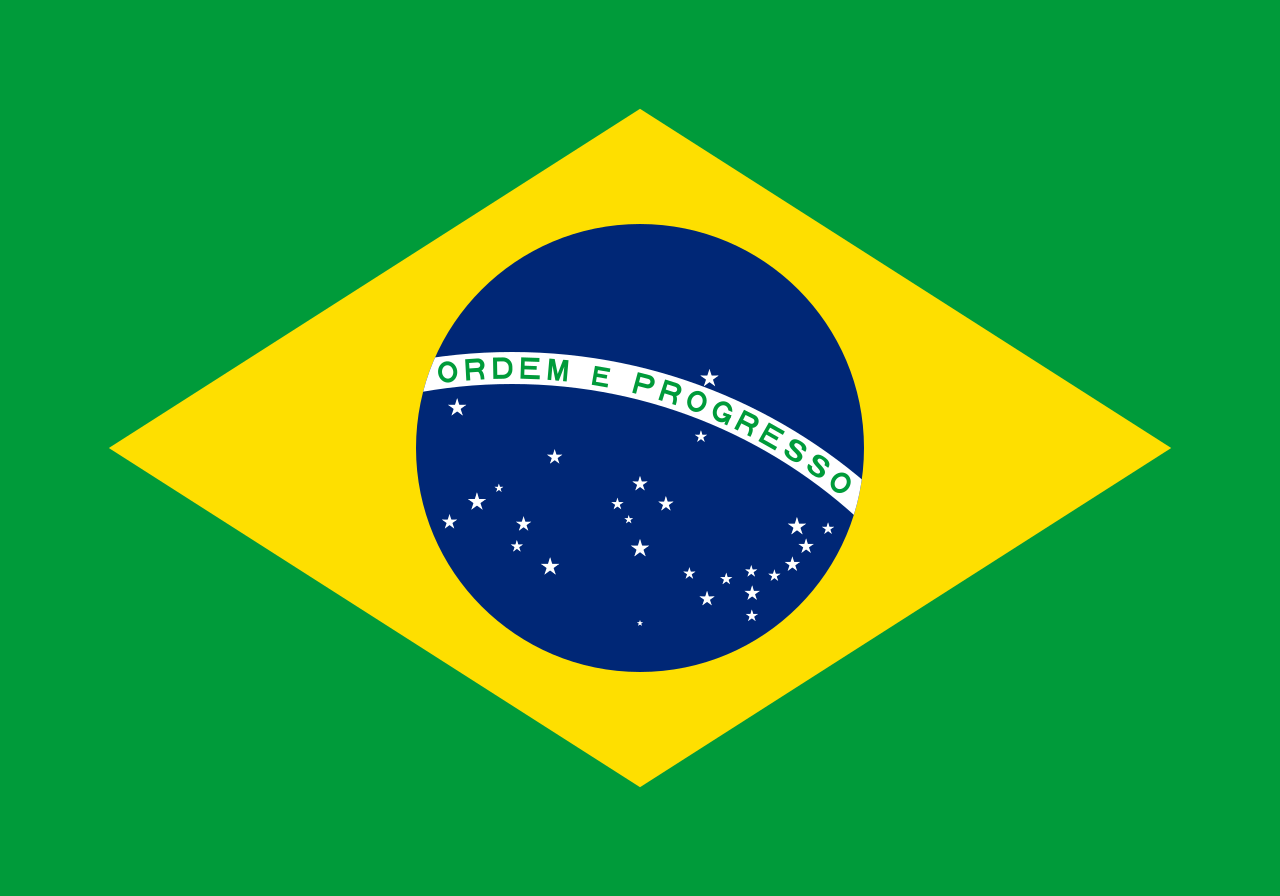
BRAZIL
Brazilians believe that lentils signify wealth and prosperity. So they serve food items made up of the legume like soup or rice on the New Year. On New Year’s Eve, the priestesses dress up in blue and white for an auspicious ceremony celebrated for the water goddess. Also a sacrificial boat filled with jewelery, candles and flowers from the beach of Rio de Janeiro is pushed to the ocean that brings health, wealth and happiness for them.

GERMANY
Lead is considered to be auspicious here. They pour molten lead into cold water and the shape that is taken after, predicts the future. Heart shapes symbolize marriage whereas round shapes denote good luck; anchor shapes tell that you need help however a cross signifies someone’s sad demise

GREECE
They call it a St. Basil’s Day, one of the forefathers of the Greeks Church, because it is also celebrated as his death anniversary. They bake some special bread, where a coin is buried inside the dough. The procedure of serving the bread is very unique. They offer the first slice to God, second to the bread winner of the house, and the third is meant for the house. If this one contains the coin, spring will hit early that year. Also whoever get the slice with the coin, is supposed to be blessed with extra good luck.

JAPAN
Japanese New Year or Oshogatsu is meant for celebrations with family and it begins with proper decoration of the home to welcome luck and fortune. They clean the entire house, get themselves off from every financial liability, and resolve all issues before the New Year hits. They follow traditions of three things: a pine branch, called kadomatsu, denotes longevity; a stalk of bamboo symbolizes prosperity, whereas a plum blossom shows nobility. Before the clock strikes 12, they ring 108 bells to show that the all 108 troubles have been eliminated.

PHILIPPINES
They believe that every round thing is auspicious. So they consume grapes, have coins, wear polkas dotted dresses, as they have faith that circular things attract more fortune and money. They also throw coins as New Year begins to increase wealth and prosperity.

BELGIUM
They call the New Year eve as Saint Sylvester Eve. They believe in throwing family parties, where everyone kisses, exchanges fortune greetings apart from raises toast to welcome the New Year in their own manner.
Children usually save money to buy decorative so that they can write and gift New Year greetings to elders.
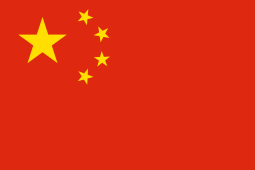
CHINA
The Chinese have a unique way of celebrating New Year, where every front door of a house is painted in red which symbolizes happiness and good fortune. They hide all the knives for the day so that no one cuts oneself, because that may actually cut the entire family good luck for the coming year. However that doesn’t make any difference to the feast they have during time.
”We will open the book. Its pages are blank. We are going to put words on them ourselves. The book is called Opportunity and its first chapter is New Year’s Day.”
– Edith Lovejoy Pierce